Physio Hindmarsh: Understanding Physiotherapy and How It Works
A beginner-friendly guide to Hindmarsh physiotherapy – what physios do, how physiotherapists help recovery, and why physiotherapy is essential for movement, strength, and long-term health.

Physio Hindmarsh is an essential healthcare service that plays a crucial role in managing physical health and rehabilitation. Physiotherapy is a specialised field dedicated to assessing, diagnosing, and treating individuals who experience pain, mobility issues, or other physical symptoms. Whether you are recovering from surgery, dealing with chronic pain, or managing sports injuries, physiotherapy offers a wide range of treatments tailored to restore your body's function and improve your quality of life.
In this comprehensive guide, we will explore what physiotherapy entails, the different modalities involved, and how physiotherapists help patients recover from various conditions. This article will also highlight the advances in treatment methods and the diverse applications of physiotherapy in modern healthcare.
What is Physiotherapy?
Physiotherapy, often referred to as physio, is a healthcare profession focused on the physical aspects of patient health. It involves the evaluation, diagnosis, and treatment of people who are experiencing pain or dysfunction related to movement and physical health. Physiotherapists use a combination of techniques to help restore mobility, reduce pain, and prevent further injury.
Physiotherapy is not just about exercise; it encompasses a broad spectrum of treatments including manual therapy, electrotherapy, and rehabilitation programs tailored to individual needs. The ultimate goal of physiotherapy is to help patients regain independence and improve their overall well-being.
Core Components of Physiotherapy
Exercise Therapy
Exercise therapy is a fundamental part of physiotherapy. It involves prescribing specific exercises to improve strength, flexibility, and endurance. These exercises are designed to target the affected areas of the body, particularly after injuries or surgery. Exercise therapy is widely used for patients recovering from sports injuries, joint stiffness, and chronic conditions such as arthritis.
But exercise therapy is much more than just physical exercises. It includes mobilization techniques to improve joint movement and manual therapy to address soft tissue problems. Physiotherapists carefully tailor these exercises to each patient's capabilities and goals, ensuring a safe and effective recovery process.
Electrotherapy
Electrotherapy is another key modality in physiotherapy that uses electrical energy to stimulate muscles and nerves. This can help reduce pain, improve circulation, and promote tissue healing. Common types of electrotherapy include:
Laser therapy
Interferential Therapy (IFT)
Electrical muscle stimulators
Traction devices
These advanced electrotherapy techniques offer non-invasive options for managing pain and accelerating recovery. They are especially beneficial for patients with chronic pain conditions, nerve injuries, and post-surgical rehabilitation.
Manual Therapy and Mobilization
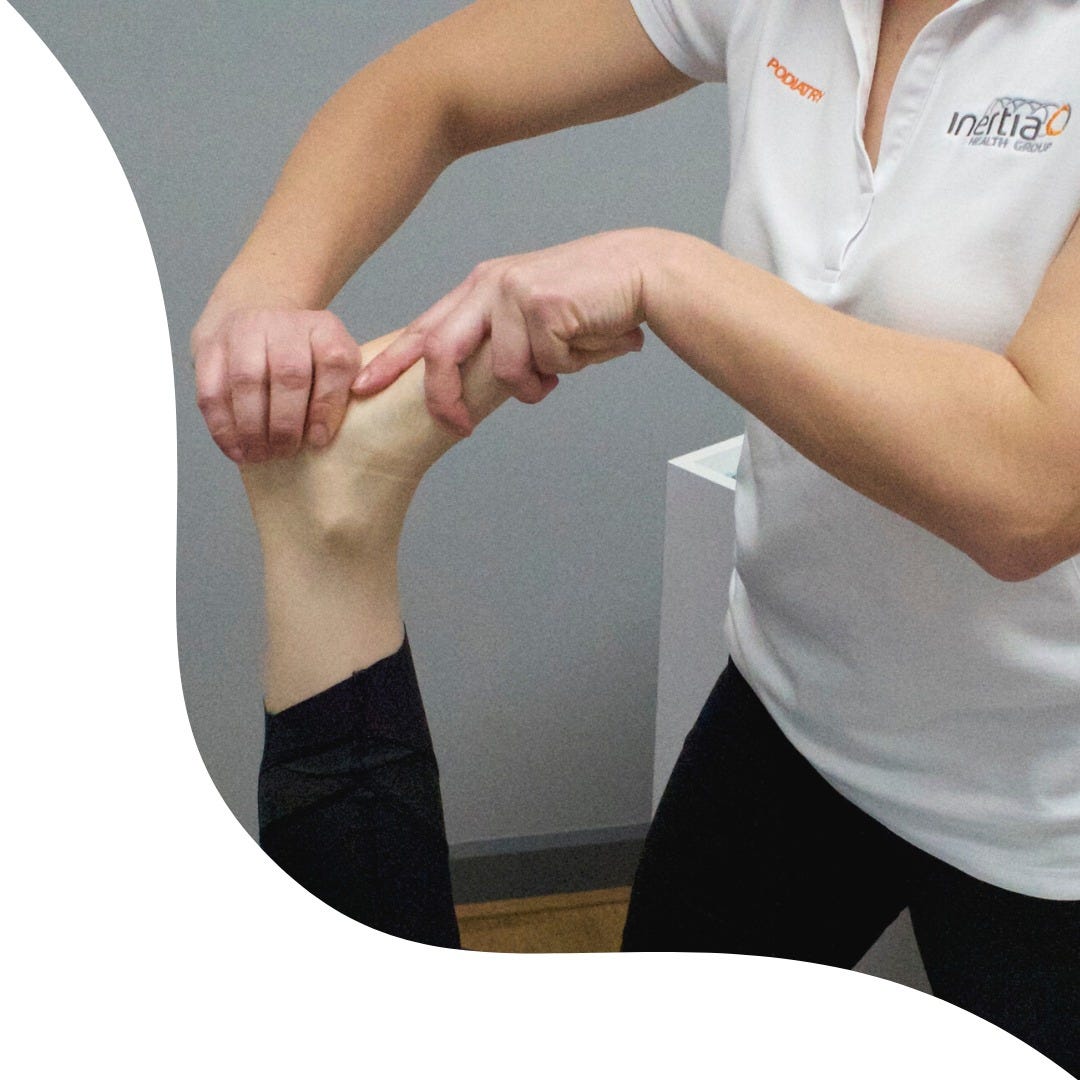
Manual therapy involves hands-on techniques that physiotherapists use to manipulate muscles, joints, and soft tissues. This can include massage, joint mobilization, and manipulation to relieve pain and restore movement. Manual therapy is particularly effective for treating stiffness, sports injuries, and posture-related problems.
Mobilization helps to improve joint flexibility and reduce stiffness, making it easier for patients to perform daily activities and exercises. This approach is often combined with exercise therapy for a holistic treatment plan.
Applications of Physiotherapy
Post-Surgical Rehabilitation
Physiotherapy plays a vital role in recovery after various surgeries. Whether it’s arthroscopic procedures, joint replacements, or cardiac surgeries, physiotherapy helps patients regain strength, mobility, and function. For example:
Orthopaedic surgeries: After joint replacements or arthroscopy, physiotherapy assists in reducing swelling, improving joint movement, and strengthening surrounding muscles.
Cardiac rehabilitation: Following surgeries such as coronary artery bypass grafting (CABG) or mitral valve replacement, physiotherapy supports gradual physical activity to improve cardiovascular health and prevent complications.
Rehabilitation programs are customised to meet the specific needs of each patient, promoting a safe and effective return to normal activities.
Management of Chronic Pain and Posture Problems
Many people suffer from chronic pain and posture-related issues that affect their quality of life. Physiotherapy provides targeted interventions to address these problems through a combination of exercises, manual therapy, and ergonomic advice.
By improving posture and strengthening muscles, physiotherapy can reduce pain and prevent further deterioration. This is especially important for individuals with sedentary lifestyles or those who perform repetitive tasks that strain the musculoskeletal system.
Sports Injuries and Rehabilitation
Sports injuries are common and can range from minor sprains to severe ligament tears. Physiotherapy helps athletes recover quickly and safely by focusing on pain relief, restoring function, and preventing re-injury.
Physiotherapists use a combination of exercise therapy, manual therapy, and electrotherapy to treat sports injuries. They also develop customised rehabilitation plans that include strengthening, flexibility training, and functional exercises to help athletes return to their sport at full capacity.
Advancements in Physiotherapy
Over the past two decades, physiotherapy has seen significant advancements in treatment modalities and research. New technologies and techniques have expanded the scope and effectiveness of physiotherapy, making it an indispensable part of healthcare.
Some of the modern advancements include:
High-tech electrotherapy devices such as laser therapy and advanced stimulators
Improved manual therapy techniques based on the latest biomechanical research
Comprehensive rehabilitation protocols for post-surgical and chronic disease management
Integration of digital tools and telehealth for remote physiotherapy monitoring and guidance
These innovations have enhanced patient outcomes and made physiotherapy more accessible and personalised.
Why Choose Physio Hindmarsh?
Choosing the right physiotherapy service is essential for effective recovery and long-term health. Physio Hindmarsh offers expert physiotherapists who are experienced in treating a wide range of conditions using evidence-based practices. Whether you require treatment for acute injuries, chronic pain, post-operative rehabilitation, or general physical wellness, Physio Hindmarsh is equipped to provide comprehensive care.
Here are some reasons to consider Physio Hindmarsh:
Experienced physiotherapists: Skilled professionals with years of experience in diverse physiotherapy disciplines.
Advanced treatment modalities: Access to the latest electrotherapy and manual therapy techniques.
Individualised care: Tailored treatment plans based on thorough assessment and patient goals.
Holistic approach: Focus on physical, functional, and lifestyle aspects to promote overall well-being.
Post-surgical and chronic condition expertise: Proven success in rehabilitation after surgeries and managing long-term conditions.
How to Prepare for Your Physiotherapy Session
To get the most out of your physiotherapy sessions, consider the following tips:
Wear comfortable clothing: This allows easy movement during exercises and manual therapy.
Bring relevant medical records: Including imaging reports, surgical notes, or previous treatment history.
Be open about your symptoms: Clearly communicate your pain levels, limitations, and goals to your physiotherapist.
Follow the prescribed home exercise program: Consistency outside the clinic is key to successful recovery.
Ask questions: Understand your condition and the treatment plan to stay motivated and informed.
Conclusion
Physiotherapy is a dynamic and evolving healthcare profession that offers effective solutions for pain management, injury recovery, and physical rehabilitation. With a broad range of treatment options, including exercise therapy, electrotherapy, and manual therapy, physiotherapists help patients regain mobility, reduce pain, and improve their quality of life.
Physio Hindmarsh stands out as a trusted choice for individuals seeking expert physiotherapy care. Whether you are recovering from surgery, managing chronic pain, or recovering from a sports injury, physiotherapy can provide the support and treatment you need to get back to your best self.
If you or a loved one are experiencing physical discomfort or mobility issues, consider consulting with a physiotherapist to explore how physiotherapy can benefit your health and well-being.